
By Omar Carrera
PUBLISHED: January 22, 2026 at 12:58 PM PST
The flooding Marin County experienced in early January made one thing unmistakably clear: The story we’ve long told ourselves about sea-level rise no longer holds true.
For years, many assumed flooding was mostly a Canal neighborhood problem — serious for one community, but contained. This month proved otherwise. When the water rose, the impacts rippled far beyond San Rafael.
Flooding at the AT&T hub knocked out 911 services countywide. Highway 101 closures stalled the economy, delaying workers and emergency responders alike. In the Canal, families lost cars, wages, belongings and safe housing, many without the financial means to recover. Others still were left without heat, hot water, and transportation.
The first weekend of 2026 also showed us that even homes on higher ground are not safe when our systems break down. Flooding in Marin affects everyone; when part of a system fails, the whole county is put at risk. Protecting the Canal protects all of Marin.
Sea-level rise demands new thinking and coordinated action. The good news is that Marin has the resources, expertise and partnerships to lead. Over the past year, the Sea Level Rise Collaborative — a partnership between the City of San Rafael, the County of Marin, Canal Alliance, the Multicultural Center of Marin, University of California at Berkeley researchers and others — has been doing the work this moment requires.
Together, we have listened to residents, modeled how water moves through the Canal and examined how flooding disrupts the county’s economic and emergency systems. Rather than approaching sea-level rise as a series of isolated problems, we are approaching it as the interconnected challenge that it is – a challenge we must address together.
Residents in flood‑prone areas consistently identify what keeps communities safe: clear evacuation routes, information in the languages people speak, reliable communication systems and infrastructure designed for rising tides. They also want to be involved early — helping shape solutions before decisions are made.
Centering community knowledge is not only effective, it prevents unintended consequences. Around the country, climate investments, when not made carefully, have led to displacement. As soon as a neighborhood becomes safer, investors take notice. Prices rise. Families who endured the hardest years get pushed out of the community they fought to protect.
Marin has the chance to write a different story. By centering the lived experiences of the most-impacted residents and co‑creating solutions with them, we can build resilience without uprooting the very people who need that resilience the most.
High tides and king tides will continue to impact us; we do not have the luxury of treating sea-level rise like a distant concern. We need immediate steps: clear evacuation plans that residents know and trust, community education about what to do before and during floods in the languages people speak and reinforced infrastructure to protect critical systems like communications, transit routes and emergency response. Finally, Marin should also explore creating community flood insurance models that are accessible and locally based.
And while we take these urgent steps, we must also move forward with long‑term projects: shoreline and wetland restoration; improved drainage and pumps; elevated homes, businesses and roadways; protected utilities; and resilience hubs that keep families safe and connected.
These actions, together, create a foundation that will allow the community to withstand increasingly frequent climate‑driven disruptions. They will strengthen trust between institutions and the communities they serve, making future collaboration more effective. They remind us that resilience is not built through infrastructure alone, but through relationships and shared responsibility. Most importantly, they show that preparing for sea-level rise is not just a technical challenge — it is a collective commitment to protecting our neighbors and our future.
This is Marin’s moment to shift from reacting to disasters to shaping our collective future. We have the research, the partnerships, the community insight and a shared stake in what comes next. What we need now is the will to act — together.
The water is rising. The question is not whether it will reach us; it already has. The question now is whether we rise with it — united, prepared and guided by the understanding that protecting the Canal protects all of Marin.
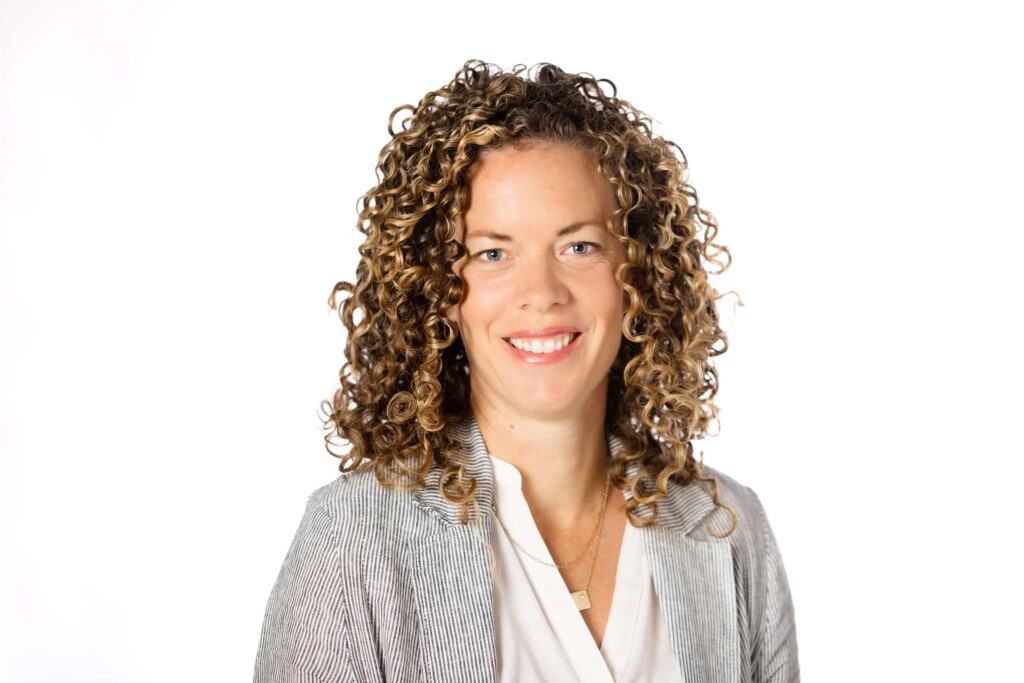
Omar Carrera, of Corte Madera, is CEO of the Canal Alliance, a San Rafael-based nonprofit organization.